Robust and Modern Floor Coating Answers for Any Need
Durable and trendy floor coating solutions fulfill a range of requirements in both residential and commercial spaces. The choice of materials can greatly impact not just aesthetics, but also functionality and longevity. Factors such as foot traffic and environmental conditions play an vital role in the decision-making process. Understanding these elements can lead to smarter choices. Yet, with so many options available, how does one determine the most ideal solution?
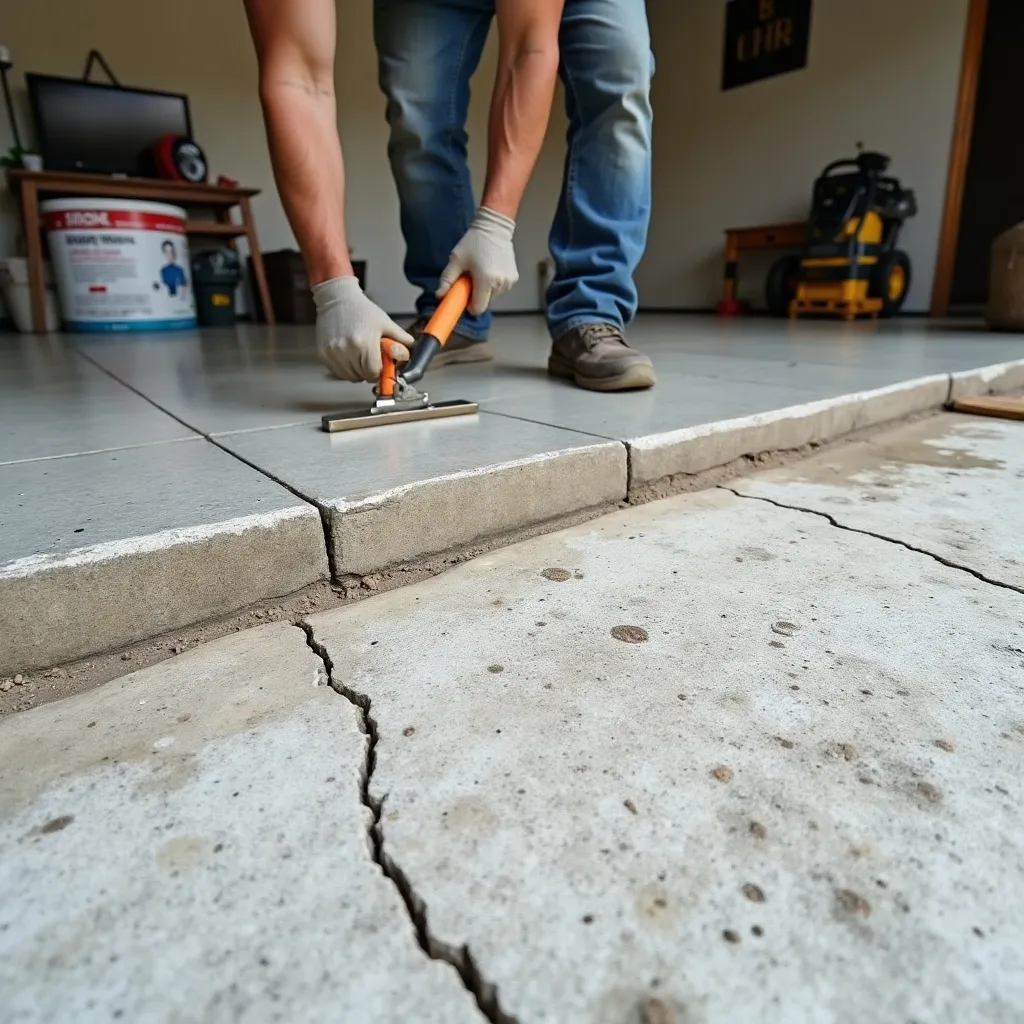
Finding the Right Floor Coating for Your Area
How can a person determine the most appropriate floor coating for valuable resource a specific environment? Selecting the right floor coating requires thorough evaluation of various factors. First, one must assess the space's purpose; residential areas may emphasize aesthetics, while industrial settings might concentrate on durability and safety. Next, understanding the foot traffic levels is critical, as coatings vary in resilience. Environmental conditions, including moisture and temperature fluctuations, also play a important role in coating selection.
Furthermore, the type of substrate beneath the coating can affect compatibility and adhesion. For example, concrete surfaces may require specific primers or sealants. One must also consider maintenance requirements; some coatings require regular upkeep while others offer low-maintenance solutions. Cost limitations are just as critical, as costs can differ significantly among materials. Ultimately, a thoroughly considered choice requires harmonizing functionality, aesthetics, and cost-effectiveness to achieve the desired outcome.
Most Resilient Flooring Solutions Ideal for Heavy-Use Areas
In high-traffic areas, the selection of surface coating significantly affects durability and upkeep. Epoxy floor coatings are known for their strength and capacity to endure heavy use, while polyurethane options offer flexibility and resistance to chemicals. Understanding the advantages of these choices is crucial for ensuring durable performance in challenging environments.
Resin Floor Coatings
Epoxy floor coatings represent a leading option for high-traffic areas due to their exceptional durability and resistance. Built from a combination of epoxy resins and hardeners, these coatings establish a durable surface that can resist heavy foot and vehicle traffic without exhibiting wear and tear. The seamless application process minimizes joints and seams, limiting the risk of water infiltration and mold growth. Additionally, epoxy coatings exhibit impressive resistance to chemicals, stains, and impacts, making them suitable for industrial, commercial, and residential environments. Their glossy finish enhances aesthetics while delivering slip resistance, advancing safety. Overall, epoxy floor coatings offer a sensible and aesthetically pleasing solution for spaces requiring long-lasting performance.
Polyurethane Floor Options
Polyurethane floor coatings function as a superior option for environments that require superior resilience and resilience. These finishes are particularly appropriate for busy areas, including commercial spaces, warehouses, and industrial facilities. Their robust composition delivers superior defense against wear and tear, chemicals, and UV exposure, ensuring durable performance. Additionally, polyurethane coatings deliver flexibility, allowing them to withstand impacts without cracking or peeling. The beauty of these solutions is equally significant, since they are accessible in numerous finishes and color ranges, strengthening the overall ambiance of any space. Moreover, their convenient maintenance renders them a sound choice for busy environments, reducing downtime and upkeep costs. As a result, polyurethane floor solutions emerge as an ideal choice for demanding applications.
How to Decide on Stylish Floor Coatings That Suit Your Space?
Opting for the suitable floor coating can substantially boost the visual character and practicality of a space. To begin, evaluating the room's purpose is fundamental; high-traffic areas may require durable options, while more aesthetic-focused spaces can prioritize style. Color preferences and stylistic directions should guide the selection process; neutral tones often create versatility, while intense colors can make a striking statement.
Texture serves as a crucial component; glossy finishes can introduce a modern flair, while matte options may create warmth and coziness. Assessing lighting is vital, as different coatings can reflect light differently, influencing the overall ambiance. Additionally, maintenance requirements should not be dismissed; some coatings demand more upkeep than others.
In the end, engaging with professionals can offer valuable insights into the best materials fitting for specific environments, ensuring a harmonious blend of design and utility in any chosen floor coating.
Best Environment-Safe Flooring Solutions for Sustainable Living
Sustainable floor coatings yield numerous benefits, encompassing curtailed environmental consequences and superior indoor air performance. Various sustainable materials are obtainable, each providing distinctive advantages for different contexts. Comprehending application tips can also strengthen the persistence of these surfaces, safeguarding a profound input to eco-friendly existence.
Advantages of Green Coatings
As interest in sustainable living rises, the benefits of environmentally safe floor coatings become more evident. These coatings often use earth-derived components and non-toxic formulations, cutting down on harmful emissions and encouraging improved indoor air quality. Their durability results in long-lasting performance, cutting the need for frequent replacements and thereby reducing environmental impact over time. Additionally, green coatings can boost energy efficiency by casting back light and maintaining comfortable temperatures within a space. Moreover, many of these products are biodegradable, assuring that they do not contribute to landfill waste. By opting for eco-friendly options, consumers not only promote a cleaner environment but also purchase modern, high-quality flooring solutions that copyright their values of sustainability and responsible living.
Top Sustainable Resource Choices
The rising attention to sustainable living has catalyzed an evaluation of multiple environmentally friendly floor coating options. Natural substances like bamboo and cork have become more sought after because of their sustainability and low environmental consequences. Furthermore, water-based polyurethane finishes are regarded for their low volatile organic compound (VOC) emissions, making them safer for interior settings. Rubber flooring from recycled sources also stands out as an sustainable option, leveraging reclaimed materials while supplying strength and comfort. Additionally, plant-derived epoxies are progressively favored for their environmentally friendly attributes, uniting strength with reduced environmental impact. These green choices not only boost visual appeal of spaces but also benefit our environment, conforming to the increasing need for responsible living solutions.
Tips for Submitting to Longevity Programs
When applying eco-friendly floor coatings, careful attention to details is required to guarantee reliable results. Correct surface preparation is important; this includes cleansing and mending any flaws to ensure strong adhesion. One should keep track of temperature and humidity levels because they greatly affect drying and curing. The use of professional applicators, including rollers and brushes, can improve the finish and promote a smooth application. It is advisable to apply several thin coats rather than a single thick layer to reduce bubbling and improve longevity. Vacations in drying time between coats should be adequate, according to the manufacturer's guidelines, which is vital. Consistent maintenance, including cleaning with gentle, environmentally safe products, will support in extending the coating’s lifespan and keeping its aesthetic charm.
Budget-Conscious Flooring Solutions
Plenty of dwellers hunt for economical floor types that furnish both toughness and visual beauty. Vinyl plank flooring has increased in demand due to its water resistance and variety of styles, resembling natural wood or stone at a lower cost. Laminate flooring demonstrates a similar aesthetic, exhibiting a resilient finish that resists marks and impressions, making it appropriate for busy environments.
Moreover, cork flooring is an sustainable choice, known for its comfort and insulation properties. It is also resistant to fungal growth, ideal for humid environments. For those seeking an even more affordable solution, painted concrete can reimagine a basic slab into a stylish floor, enabling for artistic designs.
These selections not only remain within budget constraints but also offer the necessary durability to withstand everyday wear and tear, proving that quality flooring can be accessible without sacrificing style.
Steps to Apply Your New Floor Coating
Putting in place a fresh surface finish necessitates meticulous planning and meticulous attention to ensure a durable result. First, the existing floor must be thoroughly cleaned to remove dust, dirt, and any contaminants. This may involve sweeping, vacuuming, and mopping. Once the surface is clean, any flaws or unevenness should be repaired to ensure a smooth base.
Next, the correct primer should be used, customized to the particular kind of sealant decided upon. Following the primer's curing period, the genuine flooring finish can be applied using a brush or roller, ensuring uniform coverage. It is essential to stick to the producer's guidelines regarding layer thickness and drying duration.
Once the initial coat has become dry, a further coat may be necessary for extra toughness. Finally, allowing sufficient curing time before considerable foot traffic is vital to maintain the integrity of the new floor coating.
Easy Tips for Maintaining Your Floors Looking Excellent
Following successful installation of a new floor coating, preserving how it looks becomes essential. Frequent cleaning is necessary; sweeping or vacuuming every day takes out dirt and debris that can scratch the surface. For more thorough cleaning, applying a pH-neutral cleaner with a damp mop ensures the coating's finish stays protected without causing damage.
Moreover, laying mats at entryways minimizes the amount of dirt tracked onto the floors. It is recommended to avoid harsh chemicals and abrasive tools, as they can deteriorate the coating over time. Spills should be wiped up promptly to prevent staining.
Additionally, routine checks for wear indicators can help catch issues before they escalate. If necessary, applying a new layer of sealant can rejuvenate the floor's look and prolong its lifespan. By following these simple care guidelines, one can ensure that their floor coating stays appealing and durable for decades to come.

Common Questions People Request
How Long Can You Expect Different Floor Coatings to Last?
Multiple floor coatings typically persist between five to twenty years, determined by the material and usage. For instance, epoxy can last up to ten years, while polyurethane may endure up to twenty with regular care.
May I place Floor Coatings Over Existing Flooring?
Yes, floor coatings can frequently be placed over existing flooring, provided the surface is clean, dry, and in good condition. Proper preparation is essential to ensure adhesion and longevity of the new coating.
What Maintenance Do Different Floor Coatings Demand?
Maintenance for floor coatings varies: epoxy needs regular cleaning and periodic recoating, while polyurethane needs mild cleaning without harsh chemicals. Vinyl coatings often require simple sweeping and mopping to maintain their look and durability.
Can Floor Coatings Cause Any Wellness Concerns?
Certain floor coatings could pose health risks, like breathing difficulties or dermatological irritation, mainly due to VOCs (VOCs). Adequate ventilation and compliance with safety guidelines can minimize these possible dangers during application and use.
How Do Temperature and Humidity Impact Floor Coating Performance?
Temperature and humidity play a major role in floor coating quality. High humidity may prolong drying times, while extreme temperatures can affect adhesion and cure rates, potentially leading to diminished durability and aesthetic appeal over time.